

In November 2026 my feeds filled up with the 90-day blackout, and I’d bet yours did too. The story goes that the Pentagon told every base to get ready for 90 days without power, so something big is coming, so you’d better stock up. People filled carts on the strength of it. Is any of it true? Some of it. Enough to be worth ten minutes.
I’m not a survivalist, and I’ve said so before. I’m a guy in Central Texas who carries a gun, teaches a little, and spent about three days of the February 2021 freeze finding out how unprepared my household was. This post is what I took from that freeze, pointed at this panic.
Where the 90-Day Blackout Came From
On October 25, 2026, Fox News reported on documents from a Pentagon program called FORTRESS, which Defense Secretary Pete Hegseth had announced on September 30. Under it, every major military installation in the continental United States would be expected to keep essential operations going on its own for at least 90 days: electricity, water, fuel and communications. The Pentagon’s chief spokesperson, Sean Parnell, gave the reason on the record. “We don’t want to rely on standard civilian municipal infrastructure to run our national defense.”
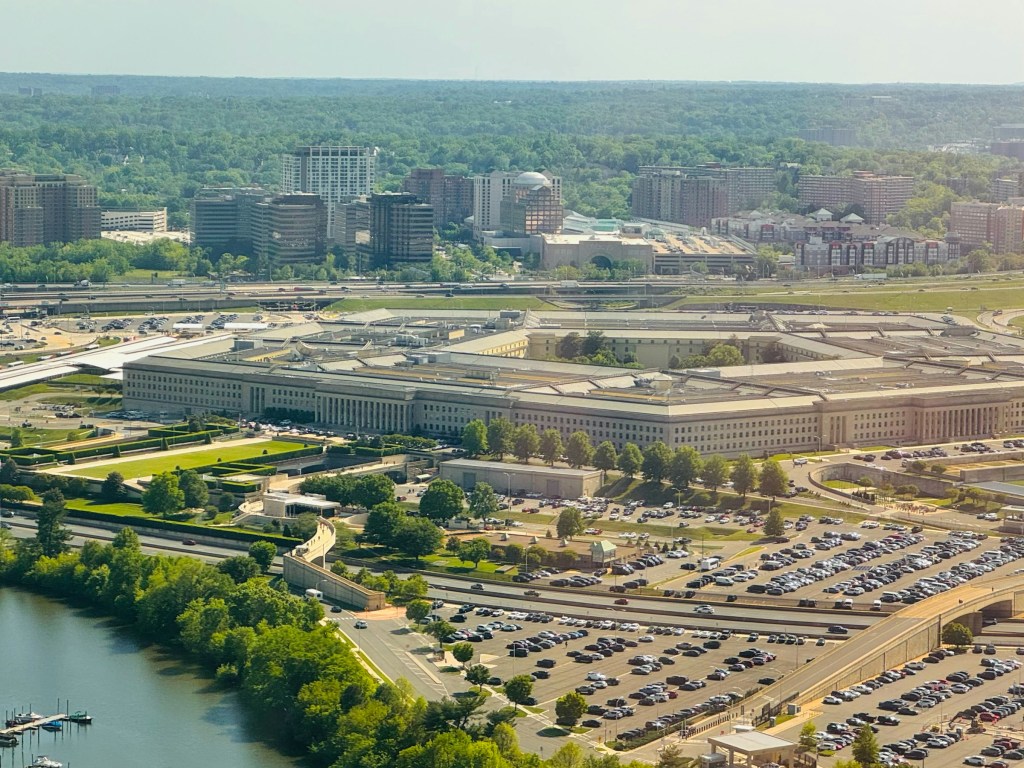
That’s a plan for bases. It says nothing about your house, and no agency has told civilians to get ready for 90 days. The standing federal advice, at Ready.gov, is still that you may need to get by on your own for “several days.”
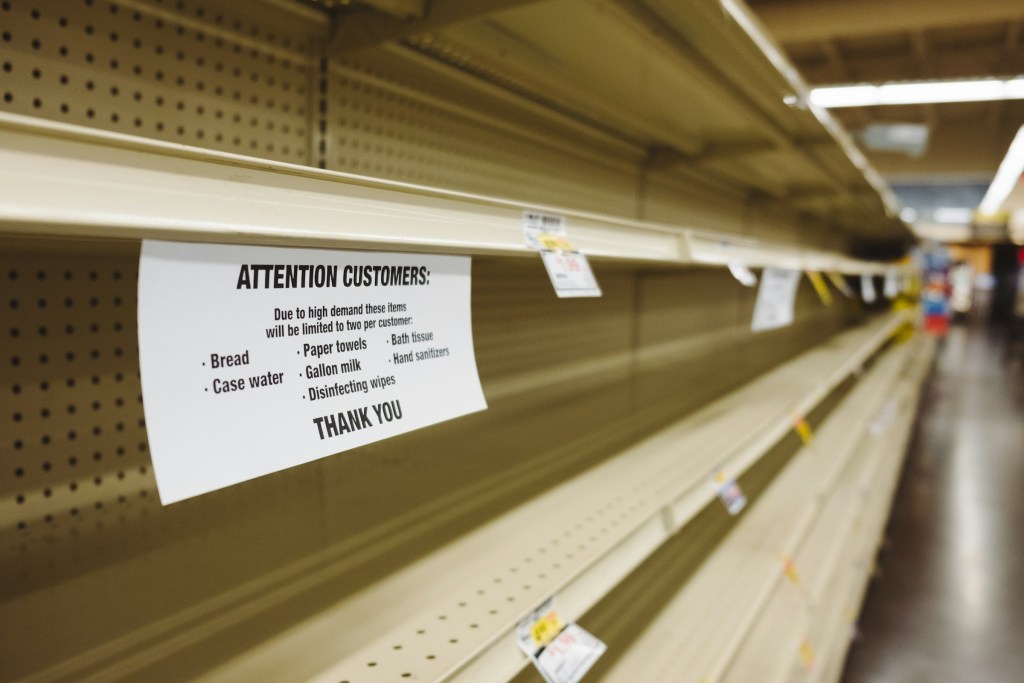
Then social media got hold of it, and a readiness goal for bases became a blackout headed for everybody. By November 7, a TV station in Augusta, Georgia, was reporting carts full of water, dehydrated meals and batteries. It also found a tactical shop in South Carolina whose owner estimated his sales were up roughly 60 to 70 percent, with gaps on the ammo and pistol racks. His customers were citing blackout videos they’d seen on TikTok.
Why Nobody’s Calming Down
I don’t argue politics on this blog, and I’m not starting now. Still, I understand why people are on edge. The midterms were on November 3. The war in Ukraine grinds on. Retired Lt. Gen. Russel Honoré, who led the military’s response to Hurricane Katrina, wrote in The Hill on November 13 that “we are in a war with Iran,” and asked what the Pentagon knows that it hasn’t told governors and mayors. Then, that same day, the FAA grounded flights nationwide for more than four hours.
The officials had answers. The transportation secretary said investigators had found no indication of a foreign cyberattack and were testing two routers. The Homeland Security secretary told reporters there was no reason for the public to be afraid, and by the weekend clips of him saying nobody needs to panic or stockpile were all over X.
Did that help? Not much. Trust in officials and in the press is thin on both sides of the aisle. I watched this in 2020, when every assurance that there was plenty of toilet paper seemed to empty another aisle. Tell a nervous crowd not to run and somebody starts jogging.
I can’t tell you what’s coming. Neither can the folks selling buckets of freeze-dried food in your feed. What I can tell you is what three days without power did to my plans.
Three Days Taught Me More Than Ninety Would
In February 2021 Texas froze, and the power went out at my house. I thought I was ready. I had a generator for hurricane season and cold-weather gear for deer season. What I hadn’t planned for was both at once, and I wrote up every lesson from that week while I was still thawing out.
The short version? My generator plan ran extension cords through an open window to keep my CPAP and the space heaters going, and the heaters couldn’t keep up with the cold coming in around the cords. The fireplace had always been decoration, so there was no firewood. In the middle of it, our youngest fainted and hit her head. Between my wife’s nursing skills and my basic first aid, we handled it at home while emergency services were overwhelmed. On day three, I finally ordered the portable power station and solar panel I’d talked myself out of more than once over the price.
The lesson I put first back then still holds. Being prepared for one thing or another isn’t the same as being prepared for one thing and another. All of that happened inside about three days. Was I ready for ninety? I wasn’t ready for three.
The Habit, Not the Haul
Here’s what we do now, and it’s boring. Every trip to the store, an extra case of water and a couple of extra cans go in the cart. That isn’t hoarding. It’s resupply, because we eat and drink what’s on the shelf and the next trip replaces it. First aid and medical supplies get the same treatment. So do lighting and power.
None of that is original. Paul T. Martin has been writing about emergency preparedness for years, and he has taught it at KR Training. I’ve met him, and I trust his work. His approach is a lifestyle adjustment within your means, not a shopping spree. In a post from November 3, 2026, written for the friends suddenly asking him what to do, he says to treat your supplies like insurance. He suggests budgeting about half of what your household spends on home and auto insurance each year, buying food, water and consumables you’d use anyway, and cutting a few small luxuries to pay for it.
His Ready Citizen Manual is free, and he’ll tell you to work it in order, one task at a time. If you’d rather hold a book, he wrote one of those too. Pivot Points is a paperback that was selling for about $11 in November 2026.
Paul and I do differ on one thing, and you should hear it from me. He calls two weeks the absolute minimum, and he says that if the Pentagon is planning for 90 days, you should make that your goal if you can. He knows far more about this than I do, so I won’t argue with his number. My point is about the order. If your household can’t do three days, two weeks is the second rung, and ninety is a long way up the ladder.
Build the Ladder
When I wrote about getting started in 2024, I leaned on three ideas I picked up years ago from Jack Spirko. First, whatever you do to prepare should make your life better even if nothing bad ever happens. Second, the bigger the disaster, the less likely it is. Third, self-reliance comes easier with a community than alone.
Put those together and you start with what happens often where you live. Here that’s a storm that knocks the power out for a day or three, a boil-water notice, or the occasional hard freeze. Three days of water, food you already eat, your medications, light, a way to charge a phone and run a medical device, first aid supplies and a little cash covers most of it. Then test it. A night or two of camping, or a weekend at home with the breakers off, will find the holes faster than any checklist. After that, stretch it to two weeks. Then keep going as the budget allows.
What Changed After 2021 and What Hasn’t
After 2021 we didn’t start over. We adjusted what we were already doing and paid more attention to power. The power station I ordered during the freeze, and the solar panels that charge it? We haven’t needed them since. They get tested anyway.
We also made sure everybody in the house has winter clothing that fits, plus the kind of cold-weather supplies you’d find in any home up north. It isn’t much: one full outfit and a blanket per person, since we’d rarely use them here. Still, it’s enough to keep each of us warmer and more comfortable if another freeze like 2021 takes the power out for days.
Now for the honest part. We plan and budget for home improvements that would stretch how long this house can run when the grid or the water is down. How many are finished? None. Every time the money is there, something more urgent gets funded first: storm damage, or the kind of bill a house in Central Texas hands you now and then, like a foundation repair. The soil here swells and shrinks under a slab, and the checkbook follows.
It’s tempting to count that as failing at preparedness. It isn’t. A house with a failing foundation or a leaking roof isn’t resilient, no matter what’s stacked in the garage. Paul makes the same point. He tells his readers to sit down as a family, sort the to-do list by what has to happen sooner, and get it done, repairs included. He also schedules maintenance on his own generator, truck and HVAC twice a year, and calls good preparedness “largely an exercise in good stewardship.” Fix the house first, because the fix is the prep.
No Debt for a Maybe
My advice on debt hasn’t changed since 2024. Debt is one of the things that makes you less self-sufficient. The emergencies most of us will actually face are a lost paycheck, a medical bill or a big repair. A maxed-out credit card makes every one of those worse. So if a 90-day blackout video has you reaching for the plastic, put it back.
Where the Guns Fit
This is a gun blog, so some of y’all are wondering when I’d get to them. Last, and on purpose. Paul puts guns, ammo and night vision “right after you take care of more pressing priorities,” and adds that “preparedness is not an excuse to buy stuff you want.” I said much the same in a 2024 post on ammo shortages, where I suggested skipping the 200th case of 9mm and buying a couple of bidets instead.
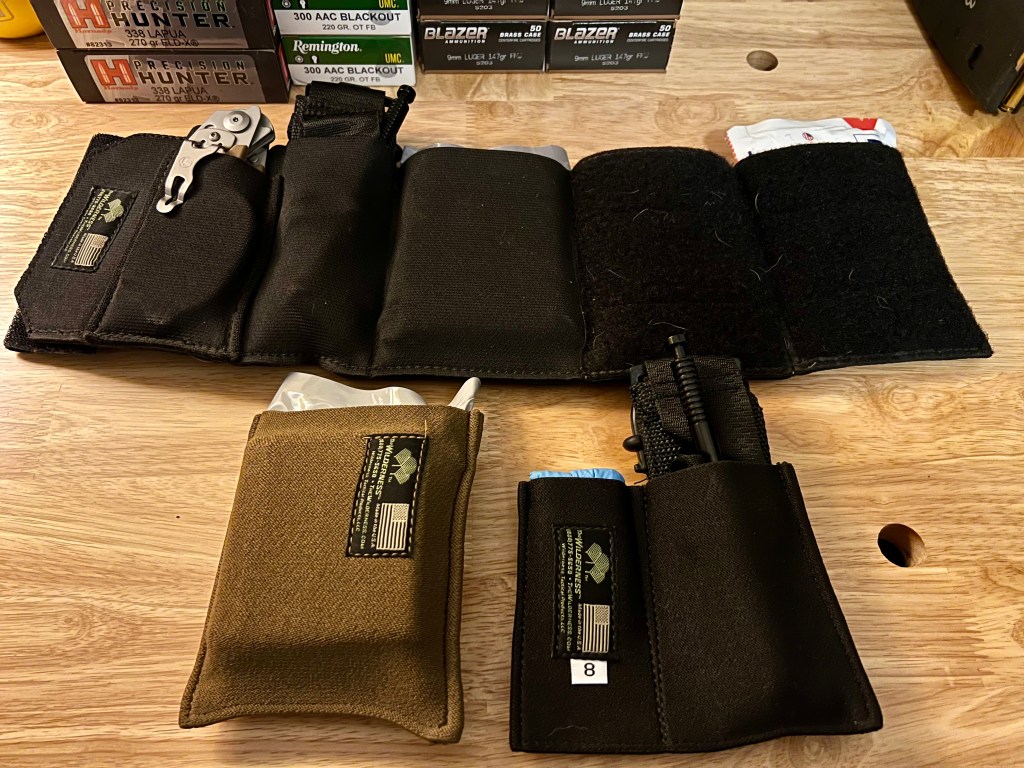
Personal safety during a long outage starts with things that cost little. Paying attention is free. A first aid class and a medical kit you actually carry will see more use than a fifth rifle. If you already own a defensive gun you can run, check your inventory the way I laid out after the midterms and fix the real gaps. If your water, medicine and lights aren’t squared away, though, that’s where the next dollar goes.
Closing Thoughts
So, ninety days? Nobody knows what’s coming, me included. Here’s what I do know. The 90-day blackout started as a readiness goal for military bases. The federal advice for the rest of us is several days. In 2021 my household couldn’t manage that, and three days found every hole in my plan.
Start with three days. Count your water, your medications and your lights tonight. Add a case to the cart on the next trip, and the trip after that. Read Paul’s manual. Talk to your neighbors before you need them. And don’t borrow a dime to do any of it.
Me? The big projects are still on the list, behind whatever the house needs first. The cart still gets its case of water.


Comments